
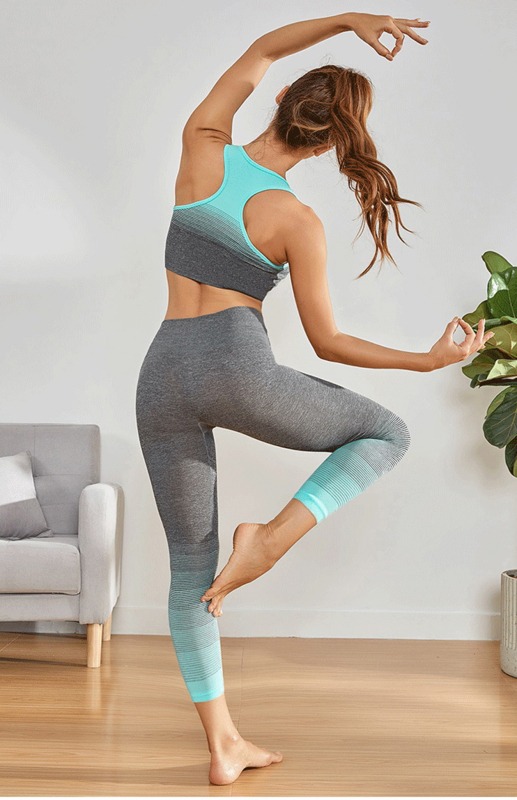
At-home wall Pilates workout is an excellent option for people who do not have time for strength training or regular professional classes with a teacher. For beginners, the wall will be useful as a form of support, and for those more advanced, a tool to help engage certain muscle groups. We'll reveal what wall Pilates helps with, what exercises can be done at home, and the clothes worth your attention!
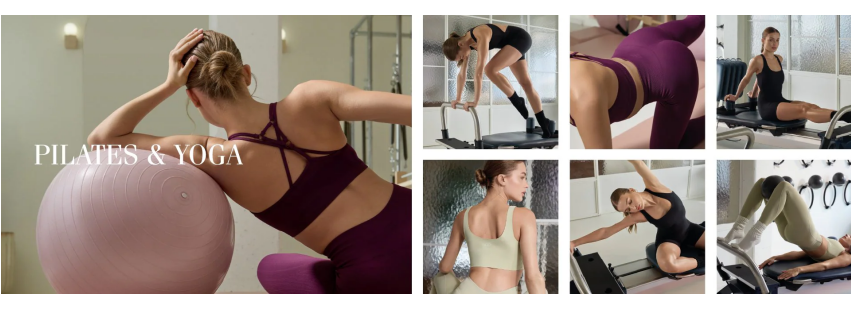
Wall Pilates — the results you can see
Wall Pilates is a special type of training that uses the wall as support in various exercises. This kind of physical activity can bring many benefits to the body and mind.
-
Strengthening the deep muscles
Exercises performed against the wall engage the deep muscles of the torso, abdomen and back, which are crucial for spine stabilisation. What's more, the workout helps to consciously work on improving body posture, which can help reduce the pain associated with abnormal position.
-
Strengthening the legs and glutes
Many of the exercises performed using a wall focus on strengthening the muscles of the legs and glutes, which is beneficial for achieving better stability and mobility in the lower body joints.
-
Improved flexibility and range of motion
Wall Pilates can help stretch muscles and improve joint range of motion, which contributes to greater body flexibility.
-
Tension and stress reduction
If you are looking for a new form of relaxation, wall Pilates is a great idea. These exercises can help alleviate tension and stress.
-
Balance and coordination
Training against a wall engages stabilising muscles, which can have a phenomenal effect on balance and overall motor coordination.
- Improved body control
Wall Pilates requires precise control of the body while performing the exercises, which helps increase body awareness and the ability to control particular movements.
-
Workouts for all levels of fitness
Exercises can be tailored to different fitness levels, making them suitable for beginners and those with years of experience with this form of physical activity.
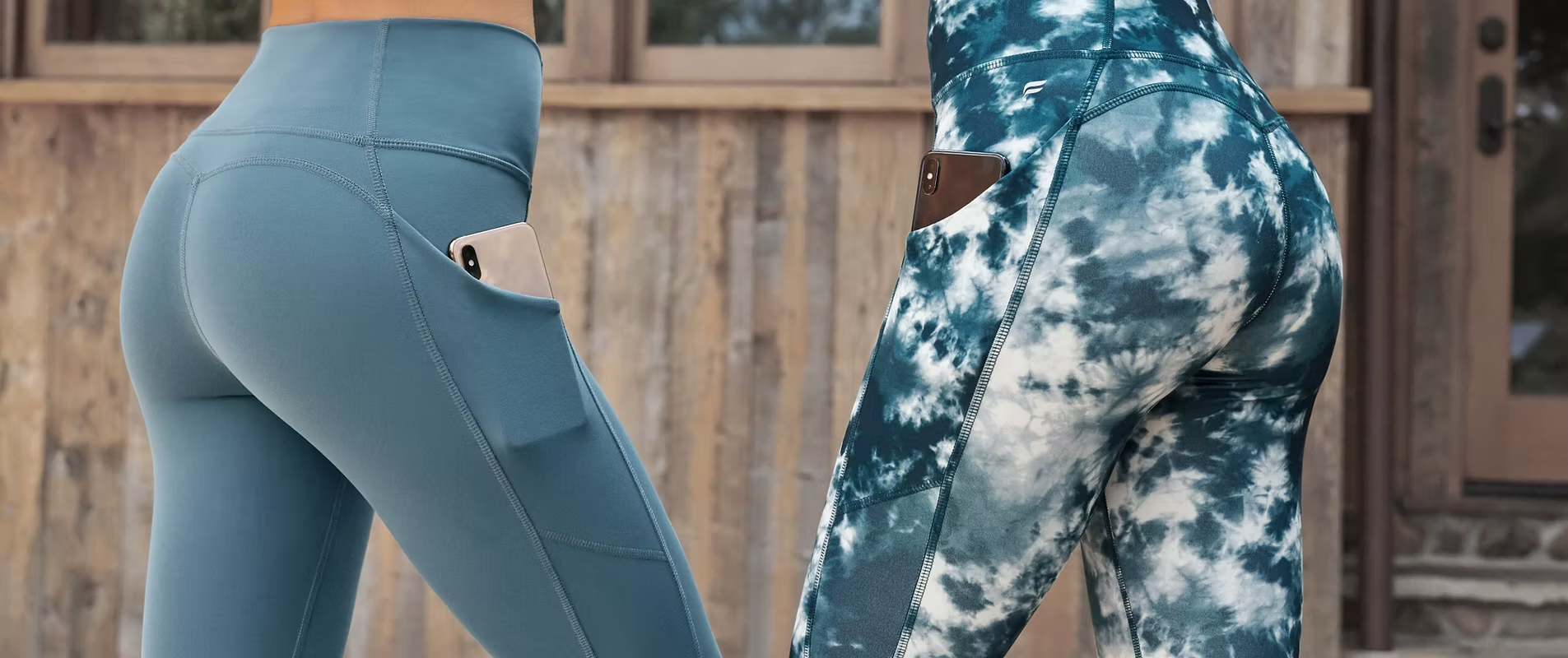
Wall Pilates for beginners
When doing wall Pilates, it is important to perform the exercises with proper technique and possibly consult a Pilates teacher to ensure proper safety and effective of each training session.
Before getting to the exercises, warm up your muscles with a short series of gentle movements, such as leg lifts and hip circles. This will help avoid injury. Focus on proper breathing, which will boost the effectiveness of the exercises. Remember to wear comfortable clothing that does not restrict the movements.
When training, focus on the quality of movements, not quantity. Control body position to avoid bad posture. Start with simpler exercises, gradually increasing the difficulty. Remember that consistency is key and schedule your training sessions. Once you're done with the workout, relax and stretch. And don't forget to drink an appropriate amount of water to keep your body well hydrated.
Wall Pilates: who is it good for?
Wall Pilates is good for many people, regardless of fitness level and age. This type of training can be particularly beneficial for:
-
people with postural problems — wall Pilates can help improve body posture and strengthen the muscles responsible for maintaining the correct position of the spine. This is especially important for people with postural defects such as scoliosis or kyphoscoliosis;
-
people suffering from pain — at-home Pilates workout focuses on strengthening the stabilising muscles, which can help reduce pain associated with poor posture, weak or tense muscles;
-
people wanting to improve strength and endurance — wall Pilates engages different muscle groups, so it is perfect as a physical activity for people wanting to improve their strength and endurance.
What exercises to include in the wall Pilates training plan?
At-home Pilates workout offers a variety of exercises that engage different muscle groups and improve body stability. Here are some examples to inspire you.
If you're putting together your own training plan, remember that before starting any new workout programme, it's always a good idea to consult a teacher, trainer and sometimes even a physician to make sure the exercises you're doing are in line with your capabilities.
Wall sits
-
Stand straight with your back against the wall and your heels about 15-20 cm from the wall.
-
Lean your entire back and glutes against the wall.
-
Gradually slide down while bending your knees until it seems that you're sitting on a chair.
-
Keep your back straight and your arms placed on either side of your body.
-
Hold this position for a few seconds, then return to the starting position.
Standing side leg raise against the wall
-
Stand against the wall sideways and using one hand to support yourself against the wall.
-
Keep your other arm on the side of your body.
-
Lift one leg to the side, trying to keep the hip in line with the shoulder.
-
Lower your leg slowly and repeat the movement several times, then change sides.
Torso twists against the wall
-
Stand facing the wall and place your hands on the wall at shoulder level.
-
Twist your torso to one side, placing the opposite arm on the wall.
-
Return to the starting position and perform a twist in the other direction.
-
Repeat the exercise alternately.
Knee to chest stretches against the wall
-
Stand facing the wall and support yourself with your palms at shoulder level.
-
Pull one knee up to your chest.
-
Repeat the movement with the other leg.
Shoulder raises against the wall
-
Stand against the wall sideways, supporting yourself with one palm on the wall.
-
Raise your free hand upwards, keeping it straight.
-
Lower your hand slowly and repeat the movement several times, then change sides.
What to wear for at-home workout?
Pilates practice calls for comfortable clothing that will allow you to enjoy unrestricted movement and enable you to complete each exercise with a proper technique.
Leggings or sports trousers
Choose form-fitting, elastic workout leggings that provide muscle support. Tracksuit bottoms are another great option, as they do not restrict movement.
A comfortable T-shirt or workout top
Wear a loose T-shirt or a form-fitting top that won't restrict the movements of your arms and torso. You can opt for a short-sleeved or long-sleeved shirt, depending on your preference and the temperature in the room.
Sports bra
For women, a sports bra is recommended to provide adequate support during dynamic movements. Sports bras effectively protect the breasts from excessive strain.
Crew or no-show non-slip socks
If you work out against a wall on a slippery floor, it's a good idea to wear Pilates socks or non-slip no-show socks that will ensure proper grip, which is particularly important for your safety.
How to choose leggings for wall Pilates?
To purchase comfortable leggings for wall Pilates, one has to consider a bunch of important factors. Don't get carried away by first impressions, and don't choose a model that only caught your attention with its eye-pleasing design.
Fabric
Choose leggings made of stretchy material that will ensure muscle support and remain flexible as you move. It should also wick moisture away quickly to keep the skin dry.
Fit
Leggings should fit snugly to your body, but they also need to stretch a bit, as it's the only way for you to feel comfortable during each workout session.
High rise
High-rise leggings are a common choice among athletes that love not only wall Pilates, but also other forms of this physical activity. Fitness and classic strength training enthusiasts are also keen to purchase them. High rise translates into better support and stabilisation in the abdominal and lumbar areas.
Waistband width
If you prefer leggings with a waist band, make sure it is stretchy enough not to compress the stomach.
Matching colour
Choose a leggings colour that suits you and allows a satisfying match with other elements of a sports outfit. An outfit that suits your taste can significantly boost self-confidence while exercising.
Seams
Check if the leggings have flat seams or are made with seamless technology to avoid painful skin chafing and discomfort during a workout.